immigrationagentVisa guides for Australia

Visitor Visas for Australia

  • Subclass 600
  • Subclass 601
  • Subclass 651

A visit to Australia can mean a holiday, a family reunion or a business trip. Each reason has its own visa stream, and each stream asks for different evidence.

This guide explains the Visitor visa (subclass 600) and its streams. It also shows the kind of proof that Home Affairs asks visitors to give.

Add who you are visiting and how long you plan to stay.

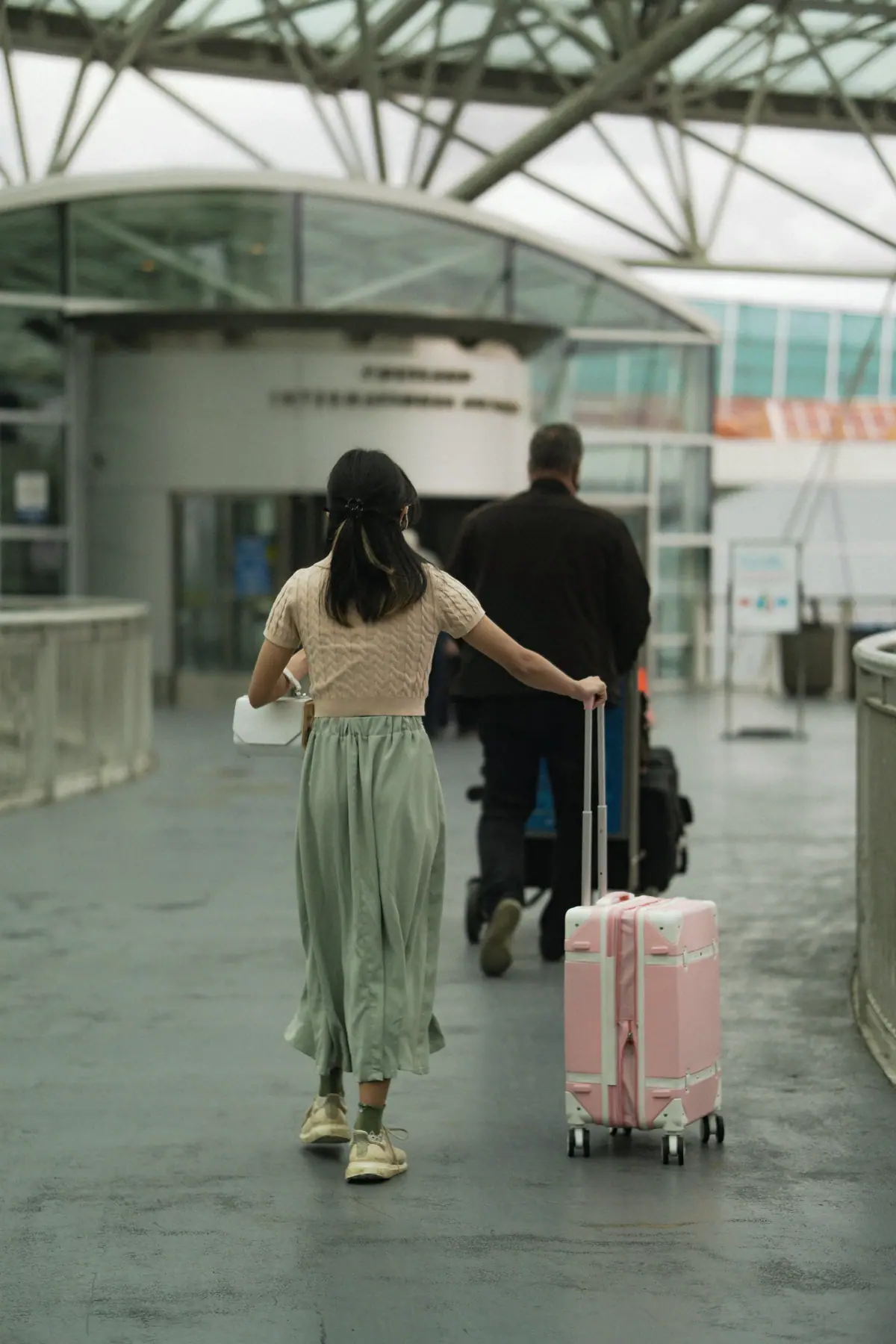
Travellers wheeling suitcases through an airport terminal
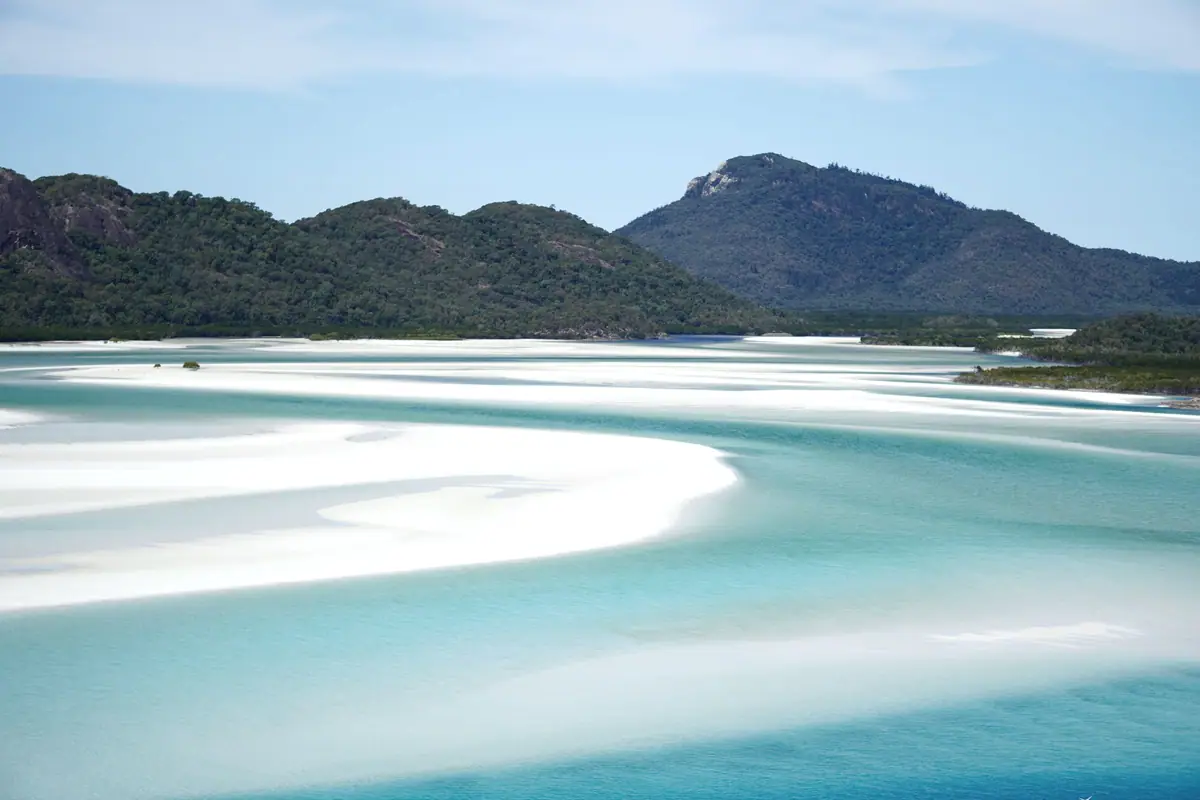
Swirling white sand and turquoise water at Whitehaven Beach in the Whitsundays

Short Answer

The Visitor visa (subclass 600) lets people visit Australia for tourism, to see family or for business visitor activities. Home Affairs says you must be a genuine visitor and have enough funds to support your stay and to leave Australia. You must meet the health and character requirements. A visitor visa does not let you work in Australia.

Eligibility at a Glance

Home Affairs says the Visitor visa (subclass 600) has five streams.

StreamWho it suitsWhere you apply from
Tourist (outside Australia)A holiday, a cruise, or a visit to friends and familyOutside Australia
Tourist (in Australia)A person already in Australia who wants to stay longer for tourismInside Australia
Sponsored FamilyA person sponsored by an eligible family member in AustraliaOutside Australia
Business VisitorA genuine visitor who travels for business visitor activitiesOutside Australia
Approved Destination StatusA stream that Home Affairs lists on its visitor visa pageRead the Home Affairs page
Frequent TravellerCitizens of listed countriesRead the Home Affairs page

Home Affairs also lists two other visitor options, the Electronic Travel Authority (subclass 601) and the eVisitor visa (subclass 651). Whether you can use one depends on your passport. Check the Home Affairs pages for both.

Requirements by Category

Be a genuine visitor

Home Affairs says you must intend to visit only, and to follow the conditions and the stay period of your visa. It asks you to provide as much proof as you can that you are a temporary, genuine visitor.

For family visits, Home Affairs lists the kind of evidence it has in mind.

  • Your relationship to the people you will visit.
  • The purpose of your visit and the length of your stay.
  • Your plans while you are in Australia.
  • Reasons to return home, such as a letter from your employer that says you plan to return to your job.

Have enough money

Home Affairs says you must have enough money to support yourself in Australia and to leave at the end of your stay. It lists examples of proof, including personal bank statements, pay slips, audited accounts, tax records and a credit card limit.

Do not work

The Tourist stream says you must not work in Australia. Home Affairs warns about visitor visa work scams. See the scam guide for the warning signs.

Read How Job Offer Scams Work

Health insurance

Home Affairs says you are liable for all your healthcare costs while you are in Australia. Insurance can help limit your costs. Some countries have a reciprocal healthcare agreement with Australia. In some cases, Home Affairs grants a visa with condition 8501, which means you must keep adequate health insurance.

Health and character

You must meet the health requirement. Home Affairs says some applicants may need a chest x-ray and a medical examination. You must also meet the character requirement. If you have a criminal conviction in any country, Home Affairs says you should apply for a Visitor visa (subclass 600) and give evidence about the convictions. It says this in its Electronic Travel Authority guidance.

Sponsored Family stream

This stream is for people sponsored by an eligible family member who is an Australian citizen or permanent resident. The sponsor must be an adult who is settled in Australia. Home Affairs says it might ask for a security bond. You do not always need a sponsor. A family member in Australia can support you without being a sponsor. In that case, you apply in the Tourist stream, and the family member can give you a letter.

Frequent Traveller stream

This stream is for citizens of certain countries in the region, including the Philippines, Indonesia and Vietnam. Home Affairs lists all the countries on its visa page. Check that your passport is on the list before you plan around this stream.


How the Process Works From Overseas

  1. Stone 01

    Choose the stream that matches your reason for travel.
  2. Stone 02

    Read the Home Affairs page for that stream, and the document checklist.
  3. Stone 03

    Gather proof of your identity, your funds, your plans and your ties to home.
  4. Stone 04

    Apply online, unless Home Affairs says another method applies.
  5. Stone 05

    Complete a health examination if Home Affairs asks for one.
  6. Stone 06

    Wait for the decision. Home Affairs publishes processing times for each visa.
  7. Stone 07

    After a grant, check your visa details and conditions in VEVO before you travel.

Where Applications Can Run Into Trouble

Home Affairs does not publish a list of common refusal reasons for visitor visas. But each requirement is a place where evidence can fall short.

  • Thin proof of a genuine visit

    Home Affairs asks for plans, the purpose and length of stay, and reasons to return home.

  • Funds that do not cover the whole trip

    The requirement includes the cost of leaving Australia.

  • The wrong stream

    Each stream has its own rules about where you apply from and who can sponsor you.

  • A sponsor who does not meet the rules

    For the Sponsored Family stream, the sponsor must be an eligible relative who is settled in Australia.

  • Health or character evidence that is missing

    Convictions in any country need clear evidence.

  • A plan to work

    A visitor visa does not permit work.

Fees and Costs

Home Affairs sets the visa application charge. The amount can differ by stream, and it changes. Check the Home Affairs visa pricing page on the day that you apply. If a bond is requested, the amount is Home Affairs’ decision. Home Affairs says it can ask for any amount. If you use an agent, the written service agreement sets out the agent’s fees.

How a Registered Migration Agent Can Help

A registered migration agent can explain which stream fits your plans. The agent can help you gather evidence, prepare the application and contact Home Affairs about your case. Many visitors apply on their own. OMARA says you do not have to use an agent.

An agent cannot promise a visa. Only Home Affairs decides. Be careful with anyone who asks for a large payment for a visitor visa, or who says you can work on one.

An adviser pointing to paperwork on a desk beside a laptop
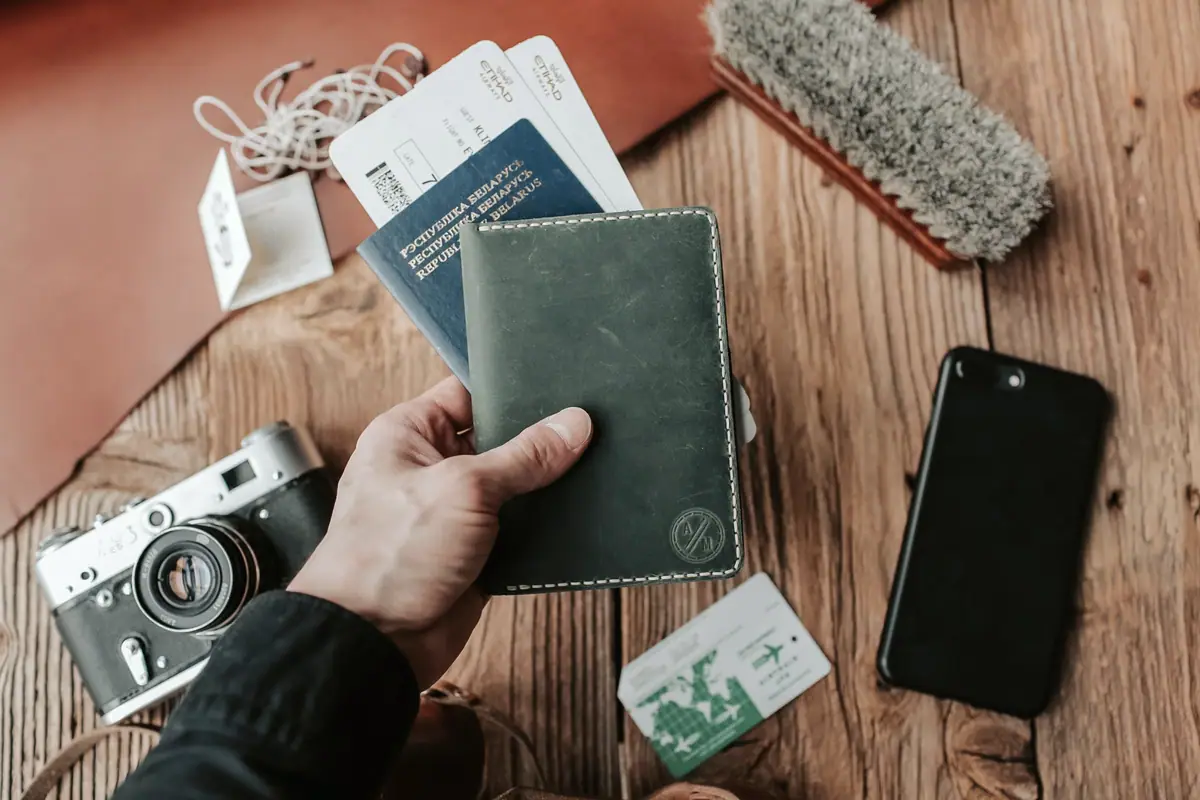
A hand holding a passport in a leather cover beside boarding passes and a camera

Questions

Questions People Ask

  • It depends on your reason for travel and on where you are. A holiday or a visit to family usually fits the Tourist stream. A sponsored visit to family fits the Sponsored Family stream. Business activities fit the Business Visitor stream. Read the Home Affairs page for each stream.

  • Home Affairs says you need enough for your stay and to leave Australia. It does not set one fixed amount for everyone. Give clear proof, such as bank statements, pay slips, tax records or a credit card limit. Read the Genuine Visitor documents on the stream page.

  • Home Affairs decides each case on its own facts. The requirements show the main risks: a visit that is not genuine, funds that are not enough, health or character concerns, or a plan to work. Read the stream page, and match your evidence to each point.

  • A person in Australia may apply for the Tourist stream in Australia. Home Affairs says you must be in Australia when you apply and when it decides, and you must intend to visit only. Read the stream page before your current visa ends.

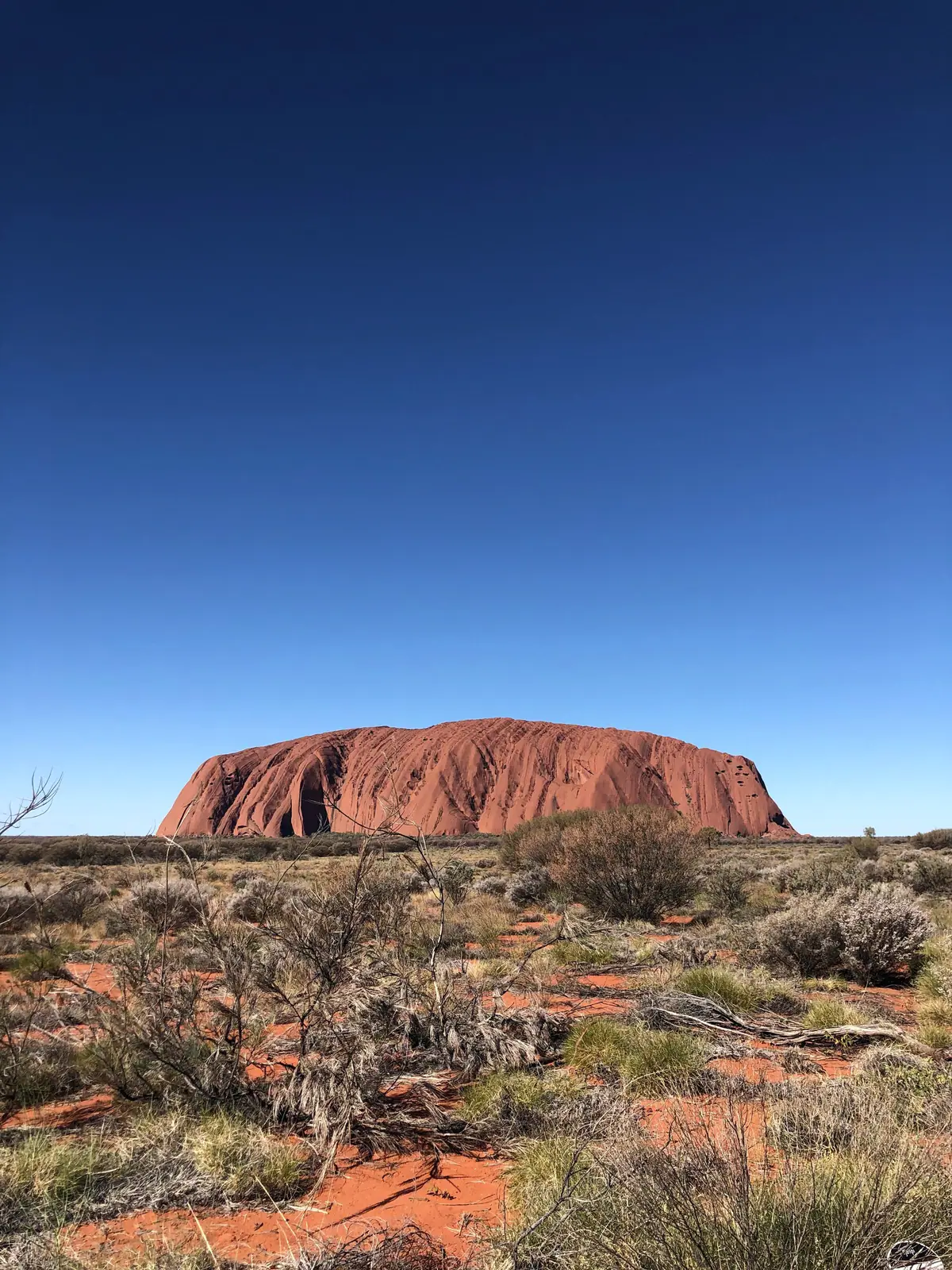
Uluru rising above red sand and desert scrub under a deep blue sky

Planning a visit to Australia?

Add who you are visiting and how long you plan to stay.